
How to tell if amber is genuine
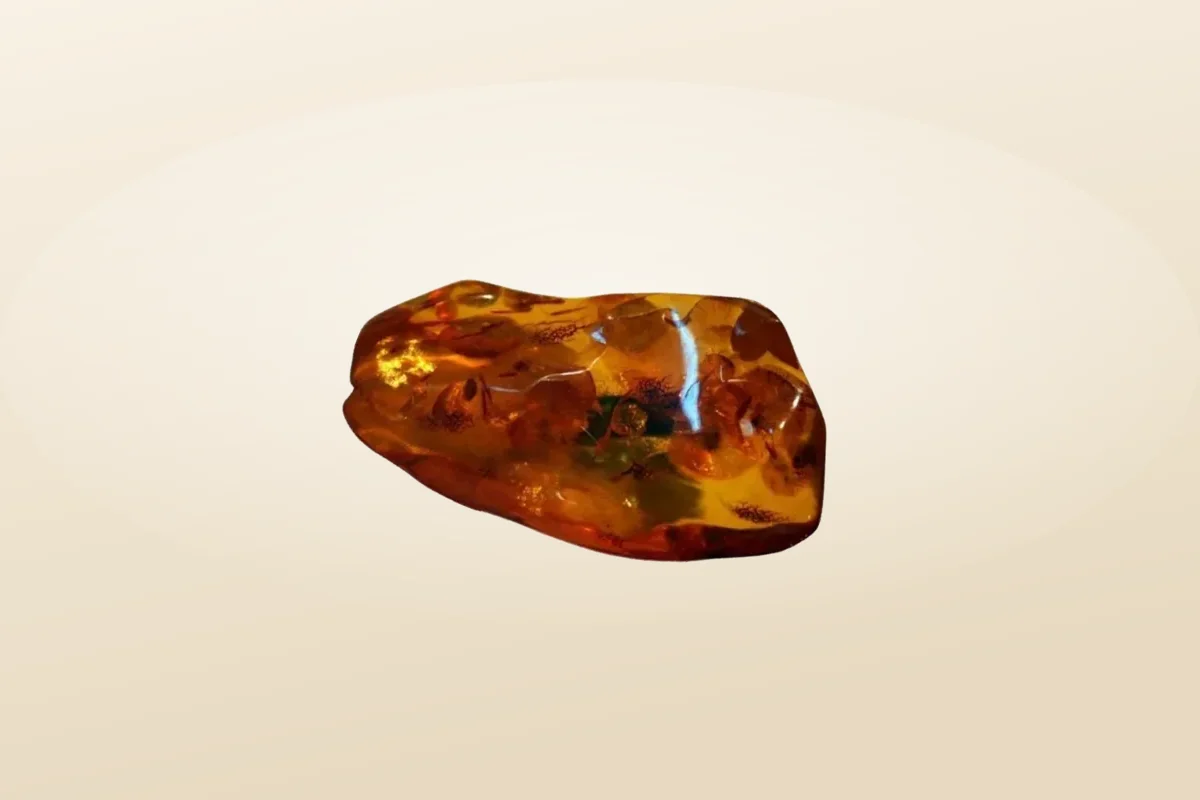
Weight, warmth, scent and the salt-water test — what you can check at home.
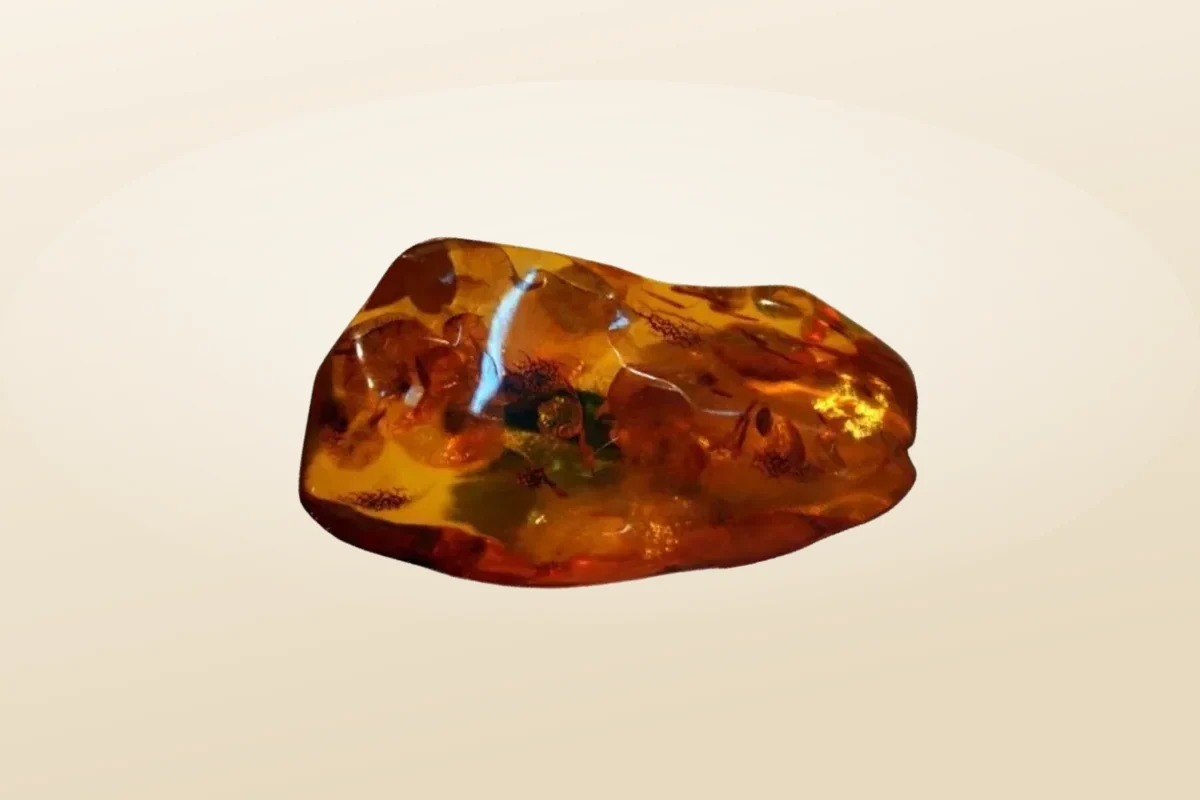
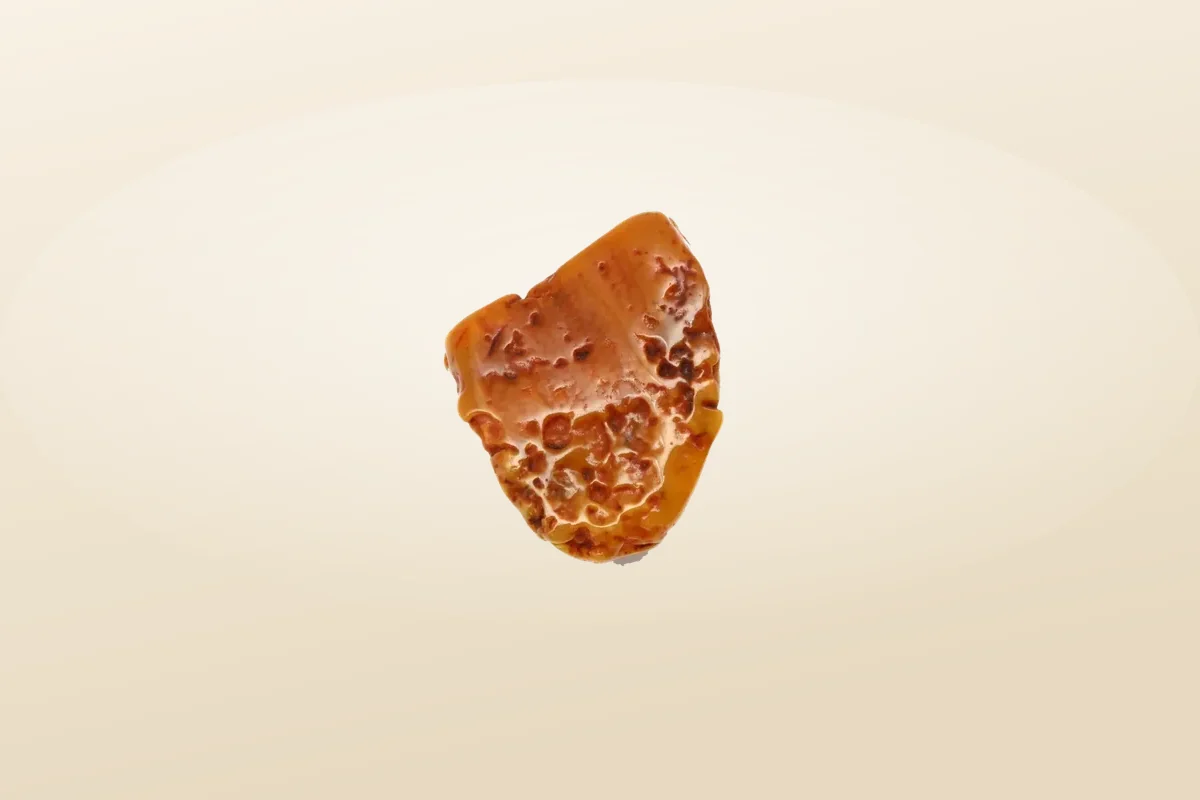
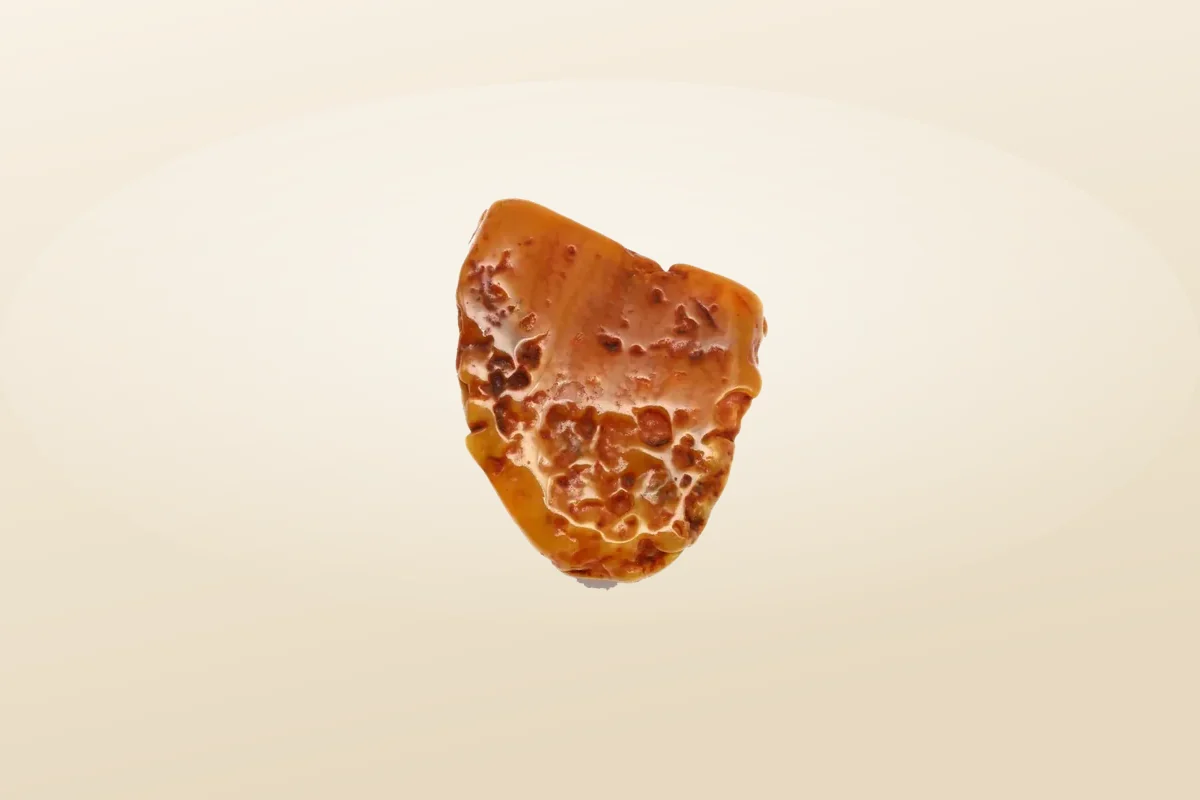
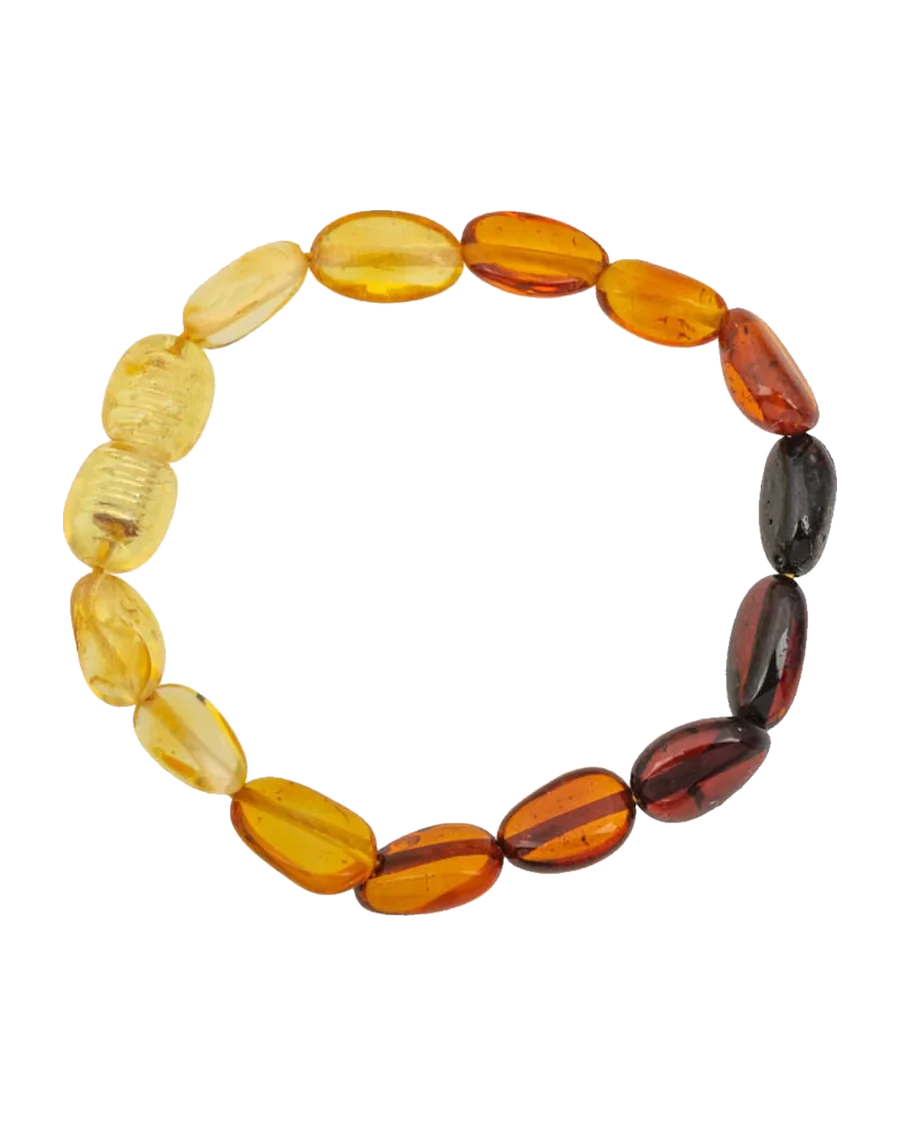
Genuine amber can be told apart from plastic and resin imitations with a few simple tests.
Salt water test: stir two tablespoons of salt into a glass of water. Real amber floats at that density; plastic imitations sink.
Warmth: amber warms quickly in the hand and never feels cold against the skin. Glass or stone imitations stay cold for a long time.
Scent when rubbed: rub it briskly with a soft cloth and you will catch a faint smell of pine resin.
Static: rubbed amber attracts small pieces of paper. Its name comes from the Greek word "elektron" for exactly this reason.
UV light: under ultraviolet light Baltic amber gives a bluish glow; synthetic resin does not react this way.
None of these tests will harm your stone. Even so, the most reliable assurance is a certificate of authenticity from where you bought it.